Music Therapy for NDIS Participants in Melbourne's Northern and Eastern Suburbs
Supporting you in a tailored, person-centred approach. We'll develop meaningful goals and work towards success - whatever that means to you. It's your music therapy journey, and I'm here for it.Little steps. Loud outcomes.
What is music therapy?
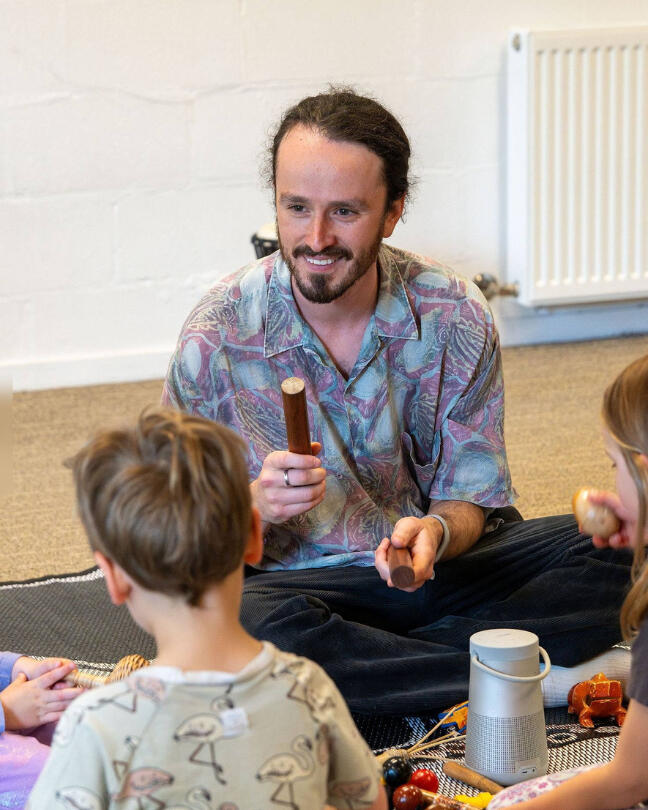
Music therapy is an evidence-based health practice, regulated as an Allied Health profession and recognised by NDIS and public health. All Registered Music Therapists undergo extensive training through a Masters of Music Therapy, equivalent to a Speech Pathologist or Occupational Therapist.We use music to support people’s individualised therapeutic goals. Sometimes these are emotional, social, cognitive and physical wellbeing goals.Music is an inherently motivating, engaging and creative medium. Because of this, music therapy can create an environment where people can express, create, and experience music in ways that support their wellbeing and growth.Think of it as therapy, first and foremost... where the therapist specialises in and utilises the power of music to support the participant in their therapeutic journey.
Who is music therapy for?
Music therapy is a flexible support that can help participants:Of all ages and abilities - - - - - For a wide range of purposes - - - - - In various ways.For some, music therapy represents an alternative approach to more traditional therapies. They may have tried everything else, and found that music therapy is the most suitable option to achieve their goals.You might just be curious about what music therapy is all about and want to give it a try.Music therapy can often be a suitable approach for those with particular learning styles, sensory needs and developmental stages. Whatever your needs, the sessions can be adapted to suit.Research has shown that music therapy can benefit these populations:⟡ Autism ⟡ Developmental Delay
⟡ Psychosocial Disability ⟡ Acquired Brain Injury
⟡ Adult Disability ⟡ Mental Health
⟡ Cancer Patients ⟡ Substance Abuse/Addiction
⟡ Aged Care ⟡ Early Childhood/Early Intervention
⟡ Palliative Care ⟡ Acute and Chronic Pain
⟡ Refugee/Asylum Seeker GroupsMost importantly, you don't need to be a music expert - far from it! Participants can engage in music therapy regardless of their level of musical engagement or knowledge - the music therapist will design the session to suit your level.
What can music therapy do?
Music therapy is a flexible approach that offers a unique space where people can explore, express, and connect through music in a humanistic way.Research has shown that music therapy can provide the below benefits:⟡ Reduce stress and anxiety ⟡ Improve mood
⟡ Increase emotional resilience ⟡ Develop identity & confidence
⟡ Enhance communication skills ⟡ Manage pain
⟡ Improve physical function ⟡ Support neurological rehabilitation
⟡ Learn social skills ⟡ Improve memory & attentionMusic therapy can provide these benefits simultaneously too!
My services
All services are currently mobile sessions. I travel to your preferred location, be it in your home, school or a community centre.I also offer a FREE 15-minute meet-and-greet in your home where we can break the ice, get to know each other and develop a plan going forward.Music therapy sessions can be delivered in the below settings:
Hi, I'm Josh Antmann
Lead Clinical Director, Registered Music Therapist
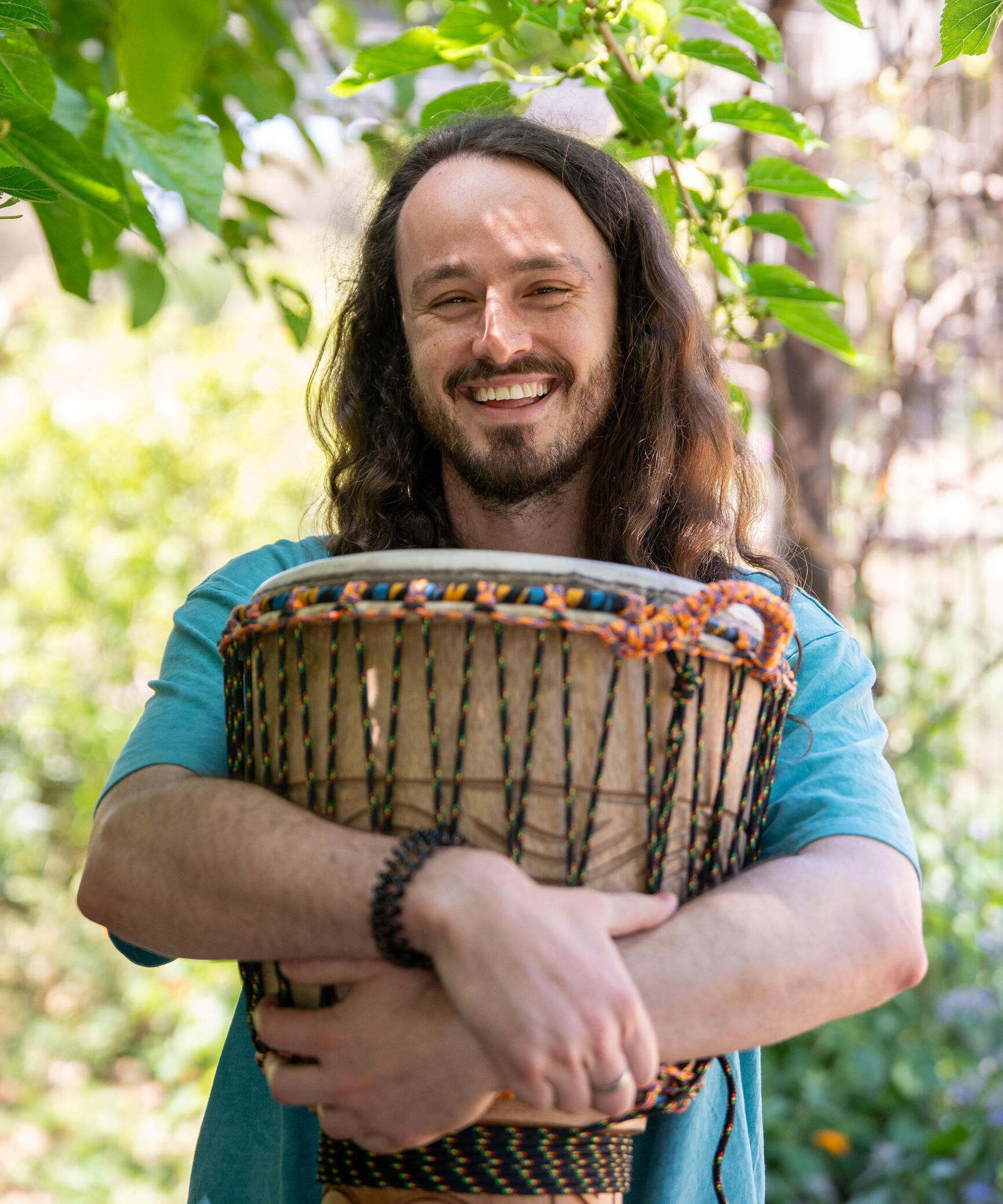
As a brother of a younger autistic sister, I grew up with extensive therapy in the home. I understand the importance of quality supports and the role of family. I learned the values of patience, care and flexibility. Her access to the NDIS changed her life, my family's life and beyond. Her growth continues to inspire me.I have valuable experience as a Disability Support Worker, Support Coordinator and Event Coordinator in disability. I learned about the importance of quality care and empathy, and how to navigate and maximise the potential of the NDIS.Through my Bachelor of Music I developed my musicality and expertise through improvisation, song-writing and performance on guitar and other various instruments. Extending on that through my Masters of Music Therapy, I deepened my understanding of therapeutic practice, evidence-based approaches, and how to tailor music interventions to diverse client needs.I have worked for years as a guitar teacher, Children's Group Music Facilitator at The Rhythm Tree and current Registered Music Therapist at the Croxton School. I love working with kids.Music can be anything you want it to be - and I can help you find what that is, and make it yours!🎶🎹🎺🎤🎸🥁🎷🎻🎵
❝
“Where words fail, music speaks.”
~ Hans Christian Andersen ~
Your goals
Your music therapy journey is tailored to your specific goals.Your goals are identified through music therapy sessions and consultation with people involved in your support.Depending on your situation and what you want from your music therapy experience, I can help you formulate meaningful goals to work towards and plans to achieve them. As you move through your therapy journey, you may achieve your goals and set new ones, or choose to move the goalposts a bit to reflect where you're at - it's all part of it.Here are example domains that I often focus on with my participants:

EMOTIONAL
Music can move us in an instant - whether it's a meaningful memory coming to life, or simply the urge to dance.We can use music as a therapeutic tool to navigate these emotions and provide opportunities for regulation, gaining of personal insight, and much more.

COMMUNICATION
Music is a universal language that can help us express what words sometimes can’t.Participants can develop speech and language skills, build confidence in self-expression and find their unique voice.

SOCIAL
Music brings people together. Anyone who's attended a live performance, been to a religious gathering or even sung happy birthday has participated in the social aspects of music.Music therapy can build connections, enhance cooperation and strengthen social skills in a supportive environment.

PHYSICAL
Music has a natural rhythm that invites movement. Whether it’s drumming, tapping, or gentle dancing, music can support coordination, motor skills, and body awareness.Through rhythm and repetition, we can use music to encourage movement, strength, and physical connection.

COGNITIVE
Music can help us grow in so many ways — building focus, memory, and problem-solving through engaging, playful experiences.Structured and creative musical activities can support developmental milestones and promote learning in an enjoyable, motivating way.

CREATIVE
Music opens the door to imagination and self-expression.Through creating, improvising, and exploring sounds, we can discover new ways of expressing identity, emotions, and ideas — nurturing confidence and a sense of creative freedom.
Sessions
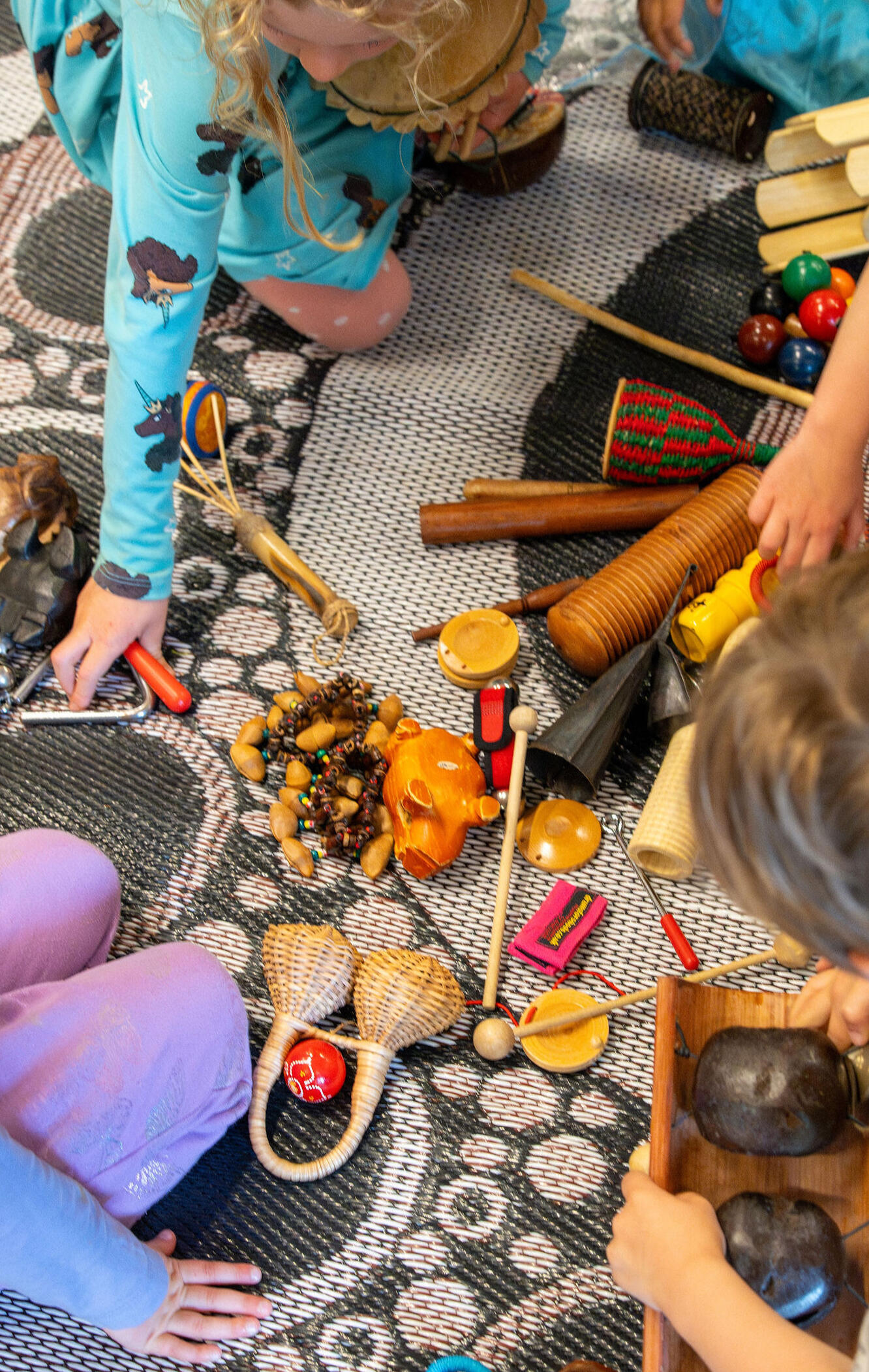
You might be wondering..."What happens in a music therapy session? What do we get up to?"Sessions can be designed to suit your individual needs. You are the captain of this ship - I can guide you through your music therapy journey, but ultimately you have control over your direction.What happens in each session can change from week-to-week, as you explore what works for you. If you already know what feels right and what you want to get out of the sessions, then repetition can be very beneficial too.Here are some examples:
Frequently Asked Questions
How is music therapy different to music lessons?
Music therapy is delivered by a qualified professional, experienced and trained in delivering sessions that address specific goals focused on the individual's growth and development. They often specialise in specific demographics, populations or conditions and can adapt their approach to suit the participants unique needs.It's usually the goals and intentions that makes a difference.For example: A participant wants to work towards performing a song at an open mic night. Where a music teacher may focus on technical and aesthetic aspects of an instrument, a music therapist may be focused more on the social or emotional aspects at play, such as their anxiety or self-image.Music therapists can utilise aspects from music lessons if it is believed to provide therapeutic benefit to the participant.P.S. (I am comfortable teaching singing, guitar, bass, percussion and piano... all at varying levels)
Do I need any musical experience?
No! Any level of musical experience, confidence or ability is welcome. I will work with you at your level. It can sometimes be an advantage to start from a beginner level :)
How long and frequent are sessions?
It depends on your needs and funding availability. Weekly 45-60 minute sessions are recommended to maximise progress and ensure continuity, but fortnightly sessions are available if needed or preferred.
Can family or support workers join?
Yes! The extra involvement and support can be incredibly helpful in many ways. A helping hand, more instrumentalists, more ideas, more voices - the more the merrier, especially when play and games are involved.You may be busy or prefer to leave us to it - that's fine as well.Sometimes it is most appropriate for 1:1 sessions to be conducted in a separate room for privacy, depending on your situation.
How can I access music therapy?
Music therapy is available through the NDIS as a capacity building support under category "Improved Daily Living" - support item number: 15_ 615_ 0128_ 1_ 3Sessions may also be funded by other state/federal programs or privately funded.
How do I find out more?
I'm happy to discuss anything with you, via email, phone or video call. It's very important to me that we're on the same page.I also offer a FREE 15-minute meet-and-greet in your home where we can break the ice, get to know each other and discuss any questions you may have.
Contact
Ready to sign up?
I acknowledge the Traditional Owners of the land on which I work and live, and pay my respects to Elders past and present. I recognise their continuing connection to land, waters and culture. Always was, always will be Aboriginal land.
Photos by Kaye Henry
Instagram: @kayehenryphotography
Contact
[email protected]
0493 462 131
Thornbury, VIC 3071